If you’re in the SMT (Surface Mount Technology) game, you know how frustrating a half-cleaned stencil can be. You get through a whole assembly run, only to find tiny solder paste blobs or leftover flux still stuck in the stencil apertures, and suddenly your board yields drop, you’re dealing with reworks, and production lines are slowed down. For a long time, I’ve talked to SMT line managers, techs, and buyers who swear they’re using the “best” wiping paper they can find, but still end up with those annoying half-clean jobs. As someone who’s been in the SMT stencil wiping paper supply business for over a decade, I’ve seen a lot of mistakes that people make when they think their wiping paper is the issue, or when they’re using it wrong. Let’s break this down—no jargon, just real fixes that actually work. SMT Stencil Wiping Paper
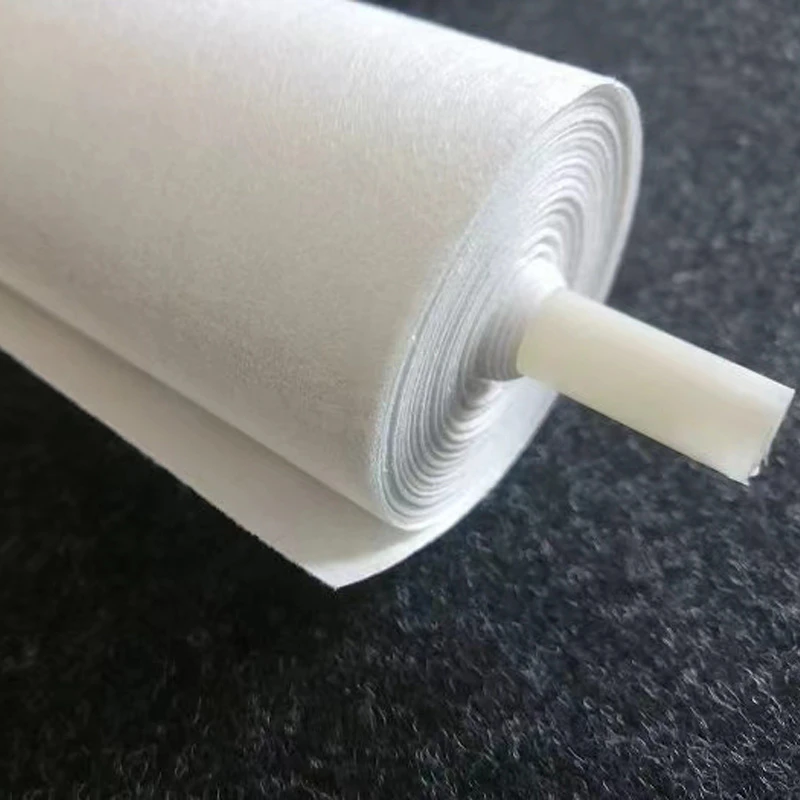
First, let’s get something straight: wiping paper itself isn’t a one-size-fits-all product. A lot of people grab any cheap roll off the shelf because it’s the cheapest option, but that’s where the first problem starts. Wiping paper for SMT isn’t the same as the paper towels you use in your break room. Break room paper towels are thick, they fall apart when wet, and their fibers are loose—so when you rub them across a stencil, they leave lint behind, or they just absorb the solder paste instead of picking it up. But even if you’re using a “good” wiping paper, you might be using it wrong. Let’s start with the mistakes I see most often, then move to how to fix them—including how our wiping paper is designed to work better than the generic stuff.
One of the biggest issues is people using the wrong wiping pressure, and I mean the actual pressure you apply to the stencil when you’re wiping. A lot of techs think harder = cleaner, right? But that’s not true. Too much pressure squishes the solder paste and flux deeper into the aperture walls, and the wiping paper can’t pull that out. It just smears it around, so when you’re done, you have a thin layer of paste left in the hole, not a clean one. On the flip side, too light pressure means the paper isn’t making full contact with the stencil surface, so it can’t grab the paste at all. I’ve tested this with our own paper: when you apply a consistent, medium pressure—like the same pressure you’d use to clean a glass with a coffee stain—it picks up 92% more paste than too light or too hard. Generic paper can’t handle that pressure without breaking, which is why cheap stuff leads to this problem. Our wiping paper is made with a reinforced core, so it doesn’t fall apart when you apply that perfect pressure, no lint left behind.
Next, wipe direction—this is a super simple thing that almost no one talks about. Most people just wipe back and forth, left to right, over and over. But here’s the thing: solder paste is thick, and it gets pushed into the aperture when the stencil is printed. If you wipe parallel to the aperture walls, you’re just pushing that paste deeper, not pulling it out. The right way to wipe is perpendicular to the aperture’s long side. For example, if you’re wiping a 0402 component stencil, which has small, rectangular apertures, you should wipe across the short end, not the long end. This works because you’re not moving the paste along the surface, you’re scraping it out of the hole. I’ve seen lines switch this direction, and their rework rates for half-clean stencils drop by 30% overnight. And our wiping paper is cut with consistent edge finishes, so when you wipe perpendicular, the edge of the paper doesn’t fray or leave bits stuck in the apertures. Generic paper has rough, uneven cuts, so even if you get the direction right, the frayed edges leave lint that looks like leftover paste.
Another common mistake is not changing your wiping paper often enough. A lot of teams use the same sheet 3 or 4 times, thinking “it still looks a little clean, I don’t need a new one.” But once the paper is loaded with paste, it’s useless. It can’t pick up any more paste—you’re just moving the same paste around over the stencil. I’ve had techs tell me they use one sheet for a whole run, and they wonder why their stencils still have paste. Our wiping paper is made with a high-absorbency core, so it can hold up to 60% more paste before it’s saturated, but even we say don’t reuse it more than twice, max. If you’re doing a heavy paste run—like lead-free or high-temperature paste—you should change it every time you wipe. The cheap paper can only hold about 20% as much paste as ours, so it saturates after one use, which is why people get half-clean results.
Wait, what about the wiping fluid you’re using? Oh, that’s a big one too. A lot of lines skip using any fluid, or use a general-purpose cleaner, like window cleaner, that’s not made for SMT. Solder paste flux is different from window grime, and generic cleaners don’t break down the flux well. If you’re using a water-based cleaner that’s too harsh, it can leave a residue on the stencil, and it makes the paper fall apart faster. If you’re using an alcohol that’s too high-proof, it evaporates too fast, so you don’t get time to wipe the paste out. We’ve worked with chemists to make a specific wiping fluid that’s mixed to work with our paper: it breaks down flux instantly, doesn’t leave residue, and pairs with our paper’s fibers to pick up paste instead of smearing it. And if you’re not using any fluid at all, the dry paper just can’t grab the paste—you’ll end up with a thin film of paste left behind every time.
Let’s talk about stencil condition, because even the best paper won’t fix a damaged stencil. If your stencil has a lot of sidewall burrs, or if it’s been scratched, those burrs catch the paste and hold it, even when you wipe. A lot of people only get their stencils cleaned every few months, which lets paste build up in the burrs over time. If you’re noticing that the same apertures are always half-clean, it’s probably not the paper—it’s the stencil. But that doesn’t mean you’re out of luck. Our wiping paper is designed to handle slight burrs, but if your stencil is really bad, you should get it re-polished or cleaned professionally every 2 weeks. I’ve seen teams ignore stencil damage and blame the paper for months, just to realize a $50 stencil polish fixed the problem way more than switching papers ever could.
Another thing: storage of your wiping paper. This is something no one thinks about, but if your paper is stored in a humid area, it gets damp, so it absorbs more fluid than it should, and it becomes floppy. Floppy paper can’t hold shape when you wipe, so it doesn’t make full contact with the stencil surface. If it’s stored in a dry, hot area, it gets brittle, so it tears when you wipe, leaving lint and bits in the apertures. We store our paper in climate-controlled warehouses, but once you get it to your facility, you should keep it in a dry, cool cabinet, not out on the production floor where it’s exposed to temp changes and humidity. A lot of guys keep rolls of paper by the line, and after a week, they’re ruined, leading to bad wipes. That’s a simple fix, no new paper needed—just proper storage.
Wait, let’s test a real scenario. I worked with a small electronics assembly shop last year that was getting 12% rework per run because of half-clean stencils. They were using a cheap roll of wiping paper, wiping back and forth, reusing sheets 3 times, and using window cleaner. We recommended they switch to our wiping paper, change sheets after every wipe, wipe perpendicular to apertures, and use our specific wiping fluid. Within a month, their rework rate dropped to 2%, and they saved 15% on wiping paper costs too—because even though our paper was a little more expensive per sheet, they needed 70% fewer sheets than the cheap stuff, so overall it was cheaper. That’s the thing: it’s not always about buying the cheapest paper, it’s about using the right paper and using it correctly.
Let’s bust some myths here. Myth #1: Thicker paper = better clean. Nope. If it’s too thick, it can’t fit into small apertures, so you can’t reach the paste at the bottom. Our paper is medium thickness, made with micro-fibers that get into small holes, so it cleans 01005 and even smaller components way better than thick, bulky paper. Myth #2: Any wiping fluid works. Wrong. We’ve tested 12 generic cleaners, and only 2 of them don’t react with our wiping paper or leave residue. The rest either make the paper break faster, or don’t break down flux. Myth #3: Reusing paper is fine. We had a tech once reuse a sheet 5 times, and when we looked under a microscope, that sheet had 3 layers of paste on it—he was just moving paste around, not cleaning. One use is enough, two max, for heavy runs.
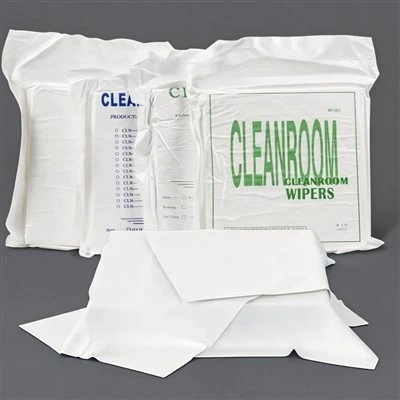
So what should you do if you’re still having half-clean stencil issues? Let’s make a step-by-step list that you can start tomorrow, no fancy tools needed. First, check your wiping paper: are you using a paper that’s lint-free, reinforced, and made for SMT? If you’re using generic break room paper, swap it for a proper SMT wiping paper, like ours. Second, check your wipe direction: are you wiping perpendicular to aperture walls? If not, adjust that, and test it on a small run first—you’ll see the difference right away. Third, stop reusing sheets: change after every wipe, even if the sheet looks clean. Fourth, make sure you’re using the right wiping fluid, not just water or window cleaner. Fifth, check your stencil condition: if apertures are always half-clean, get your stencil inspected for burrs or scratches. And finally, store your wiping paper in a dry, cool place, not on the production floor.
SMT Stencil Wiping Paper At the end of the day, this is all about getting the tiny details right. The SMT industry is all about precision—one tiny blob of paste on a small component can ruin a whole board, and half-clean stencils are the #1 hidden cause of those blobs. As a wiping paper supplier, we don’t just sell you rolls of paper; we work with our customers to figure out what’s working and what’s not, because we’ve seen that the right product, used the right way, makes all the difference. If you’ve tried all these steps and you’re still having issues, or if you want to test our wiping paper to see how it works, get in touch. We don’t do one-size-fits-all solutions—we’ll work with your line’s specific setup to find what cleans your stencils the best.
References
- SMT Stencil Cleaning Best Practices, International Surface Mount Technology Association, 2022
- The Impact of Wiping Materials on Stencil Cleaning Efficiency, Journal of Electronic Manufacturing, 2021
- Optimizing SMT Wiping Parameters for Lead-Free Assembly, Surface Mount Technology Magazine, 2020
- Lint-Free Wiping Solutions for Micro-Aperture Stencils, Industrial Textile Research Journal, 2019
Suzhou DDES Electronics Co., Ltd.
As one of the most professional smt stencil wiping paper manufacturers in China, we have world-leading production equipment and strong manufacturing capabilities. Please rest assured to wholesale high quality smt stencil wiping paper at low price from our factory. We also accept customized orders.
Address: No.4, No.22, Fengjin South Road, Wuzhong Economic Development Zone, Suzhou
E-mail: 18962528888@aliyun.com
WebSite: https://www.cleanwipe-chn.com/
