Hey there! I’m from a vertical machining center supplier. Today, I wanna chat about how to improve the chip evacuation efficiency on a vertical machining center. Vertical Machining Center
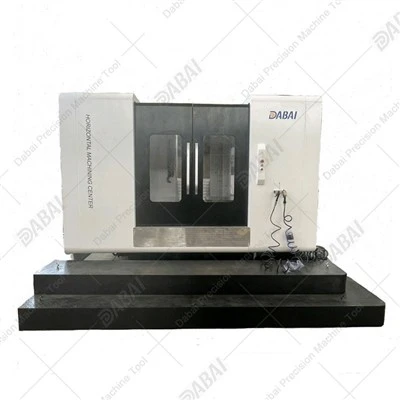
First off, let’s understand why chip evacuation matters. When you’re doing machining work on a vertical machining center, chips are constantly being generated. If these chips aren’t removed properly, they can cause a whole bunch of problems. For starters, they can get in the way of the cutting tool, leading to poor surface finish on the workpiece. They can also increase the heat in the cutting area because they act as an insulator, reducing the tool life. And in some cases, a large amount of chips can even cause the machine to jam, which is a real headache.
One of the key factors in improving chip evacuation is choosing the right cutting tools. Different cutting tools have different geometries and coatings that can affect how chips are formed and removed. For example, tools with a high helix angle are great for chip evacuation. A high helix angle helps the chips to curl and break more easily, and then be pushed out of the cutting area. It’s like a little spiral staircase that the chips can ride on to get out of there.
Another important aspect is the rake angle of the cutting tool. A positive rake angle makes the cutting process easier, which means the chips are formed more smoothly. When the chips are formed smoothly, they’re also more likely to be evacuated effectively. However, we gotta be careful with the rake angle because if it’s too large, the tool might become weaker and break. So it’s a bit of a balancing act.
Now, let’s talk about the cutting parameters. The cutting speed, feed rate, and depth of cut all play a role in chip evacuation. If the cutting speed is too low, the chips might not break properly and will just pile up. On the other hand, if it’s too high, the tool can wear out quickly. The feed rate is also crucial. A proper feed rate ensures that the chips are formed in small, manageable pieces. If the feed rate is too slow, the chips might be too long and difficult to evacuate. And if it’s too fast, the machine might not be able to handle the load, and the chips can still cause trouble.
The depth of cut is another factor. A shallow depth of cut usually results in smaller chips, which are easier to evacuate. But if we cut too shallow all the time, the machining time will be longer. So we need to find a sweet spot where the depth of cut is deep enough to be efficient but not so deep that the chips become a problem.
Coolant is like a superhero when it comes to chip evacuation on a vertical machining center. It does a few important things. First, it cools down the cutting area, which reduces the heat generated during machining. This not only helps to extend the tool life but also makes the chips more brittle, so they break more easily. Second, the coolant can act as a flushing agent. It can wash the chips away from the cutting area and into the chip conveyor.
There are different types of coolant out there, like water – based coolant and oil – based coolant. Water – based coolant is more commonly used because it’s cheaper and has good cooling properties. But oil – based coolant can provide better lubrication, which is great for some materials. We need to choose the right coolant based on the material we’re machining and the specific requirements of the job.
The chip conveyor is another essential part of improving chip evacuation. It’s responsible for taking the chips away from the machine. There are different types of chip conveyors, such as chain conveyors, screw conveyors, and belt conveyors. Each type has its own advantages.
Chain conveyors are very strong and can handle large and heavy chips. They’re often used in heavy – duty machining operations. Screw conveyors are good for moving chips in a confined space. They’re simple and reliable. Belt conveyors are great for handling small and light chips. They can also be easily adjusted to different speeds.
We need to make sure that the chip conveyor is properly sized for the machine. If it’s too small, it won’t be able to handle the amount of chips generated, and the chips will start to pile up again. And we also need to keep the chip conveyor clean and well – maintained. A clogged or malfunctioning chip conveyor can really mess up the whole chip evacuation process.
The machine design itself also has an impact on chip evacuation. The shape and size of the chip pan under the machine are important. A well – designed chip pan should have a smooth surface and a proper slope so that the chips can slide down easily into the chip conveyor. The way the cutting area is enclosed can also affect chip evacuation. If there are too many barriers or if the enclosure isn’t air – tight in the right places, the chips might not be able to move freely.
When it comes to programming the vertical machining center, we can also use some tricks to improve chip evacuation. For example, we can program the machine to make intermittent cuts. Instead of making a continuous long cut, we can stop the cut for a short period, which allows the chips to fall away. We can also program the tool to move in a way that helps to push the chips out of the cutting area.
In addition to all these technical aspects, regular maintenance of the vertical machining center is also crucial. We need to check the cutting tools regularly for wear and tear. A worn – out tool can produce chips that are difficult to evacuate. We also need to clean the coolant system, including the coolant tank, filters, and nozzles. A dirty coolant system can reduce the effectiveness of the coolant in chip evacuation.
The air flow inside the machine can also be optimized. We can install fans or use the machine’s built – in air circulation system to create a flow of air that helps to move the chips. This is especially useful for removing small chips that might be floating in the air around the cutting area.
To sum it up, improving chip evacuation efficiency on a vertical machining center is a multi – faceted task. It involves choosing the right cutting tools, setting the proper cutting parameters, using the right coolant, having a well – functioning chip conveyor, considering the machine design, programming the machine smartly, and performing regular maintenance.

If you’re in the market for a vertical machining center or you’re looking to improve the chip evacuation efficiency of your existing machine, I’d love to have a chat with you. We can discuss your specific needs and see how we can help you get the best performance out of your machining operations. Don’t hesitate to reach out and start a conversation about your procurement needs.
CNC Turning Center References:
- Machining Handbook, various editions
- Technical papers on vertical machining center operations from industry conferences
Dabai Precision Machine Tool (Jiangsu) Co., Ltd.
As one of the most professional vertical machining center manufacturers and suppliers in China, we’re featured by quality products and good price. Please rest assured to buy advanced vertical machining center for sale here from our factory. We also accept customized orders.
Address: No. 66-1, Zhenhu North Road, Hudai Town, Binhu District, Wuxi City
E-mail: elaine@dabaicnc.com
WebSite: https://www.cnc-dabai.com/
