Hey there! I’m a supplier of sound – absorbing materials, and today I wanna chat about what the principle of sound absorption in these materials is. Sound-absorbing Materials
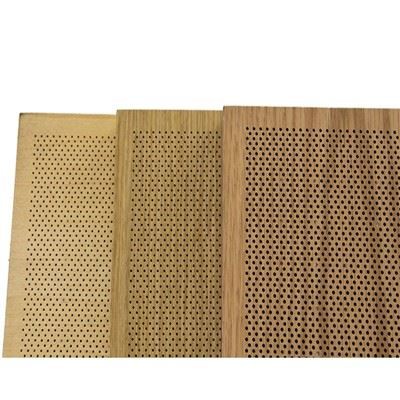
Let’s start with the basics. Sound, as we know it, is a kind of mechanical wave. It travels through a medium, like air, by making the molecules in that medium vibrate. When sound waves hit a surface, several things can happen: they can be reflected, transmitted, or absorbed. And that’s where our sound – absorbing materials come into play.
How sound – absorbing materials work
The main principle behind sound absorption is to convert the sound energy into other forms of energy, usually heat. Think of it like this: when a sound wave hits a sound – absorbing material, it causes the molecules in the material to move. This movement creates friction, and friction generates heat. So, the sound energy is gradually turned into heat energy, which means less sound is reflected back into the environment.
There are a few different ways that sound – absorbing materials achieve this. One of the most common is through porous materials. These materials have lots of tiny holes and channels in them. When sound waves enter these pores, they get trapped. As the sound waves bounce around inside the pores, they lose energy due to the friction with the walls of the pores.
For example, fiberglass is a well – known porous sound – absorbing material. It’s made up of fine glass fibers that create a web of tiny spaces. When sound waves hit the fiberglass, they penetrate into these spaces. The air inside the pores starts to vibrate along with the sound waves. But because of the viscous nature of the air and the interaction with the glass fibers, the sound energy is dissipated as heat.
Another type of sound – absorbing mechanism is through resonant absorbers. These are designed to absorb sound at specific frequencies. A resonant absorber usually consists of a cavity or a chamber. When the frequency of the incoming sound wave matches the natural frequency of the resonator, a phenomenon called resonance occurs.
During resonance, the sound wave causes the air inside the cavity to vibrate vigorously. This vibration leads to energy loss through friction and other damping mechanisms. Helmholtz resonators are a classic example of this. They’re basically small chambers with a narrow neck. The size and shape of the chamber and the neck determine the frequency at which the resonator will absorb sound.
Factors affecting sound absorption
The effectiveness of sound – absorbing materials depends on several factors. First of all, the frequency of the sound matters a lot. Different materials are better at absorbing different frequencies. For instance, porous materials like fiberglass are generally more effective at absorbing high – frequency sounds. That’s because high – frequency sound waves have shorter wavelengths, and they can more easily enter the small pores in the material.
On the other hand, low – frequency sounds are harder to absorb. Their longer wavelengths make it difficult for them to be trapped in the pores of typical porous materials. That’s why for low – frequency absorption, we often use resonant absorbers or thicker, denser materials.
The thickness of the sound – absorbing material also plays a crucial role. Generally, thicker materials can absorb more sound. As the sound wave travels deeper into the material, more energy is dissipated. However, there’s a limit to this. After a certain thickness, adding more material won’t significantly increase the absorption.
The density of the material is another factor. A denser material usually has more mass per unit volume, which means there are more molecules for the sound wave to interact with. This can lead to more energy dissipation. But again, it’s a balance. If a material is too dense, it might start to reflect sound rather than absorb it.
Applications of sound – absorbing materials
Now that we know how sound – absorbing materials work and what affects their performance, let’s talk about where we use them. One of the most common applications is in buildings. In offices, for example, sound – absorbing materials can be installed on the walls and ceilings. This helps to reduce the amount of noise that bounces around the room, making the environment more comfortable for workers.
In recording studios, sound – absorbing materials are essential. They ensure that the sound being recorded is clean and free from echoes and reverberations. By controlling the acoustics of the room, the quality of the recorded audio can be greatly improved.
The automotive industry also uses sound – absorbing materials. Inside cars, these materials are used to reduce the noise from the engine, the road, and the wind. This makes the driving experience quieter and more pleasant.
Our sound – absorbing materials
As a supplier of sound – absorbing materials, we offer a wide range of products to meet different needs. We have high – quality porous materials like fiberglass and mineral wool. These are great for general sound absorption, especially for high – frequency sounds. They’re also relatively easy to install and can be cut to fit different spaces.
We also have resonant absorbers that are custom – designed to target specific frequencies. Whether you need to absorb low – frequency hums in a factory or mid – frequency noise in a commercial building, we can create a solution for you.
Our materials are not only effective but also environmentally friendly. We understand the importance of sustainability in today’s world, and we strive to use materials that have a low impact on the environment.
Why choose us
There are several reasons why you should choose us as your sound – absorbing material supplier. First of all, we have a team of experts who can provide you with professional advice. Whether you’re not sure which material is right for your project or you need help with the installation, we’re here to assist you.
We also offer competitive prices without compromising on quality. We know that cost is an important factor for many of our customers, and we work hard to keep our prices reasonable.
In addition, we have a fast and reliable delivery service. We understand that time is of the essence in many projects, and we’ll make sure that your materials arrive on time.
Let’s talk
PET Acoustic Panels If you’re in the market for sound – absorbing materials, I’d love to have a chat with you. Whether you’re working on a small home project or a large – scale commercial development, we have the products and the expertise to meet your needs. Reach out to us, and we can start discussing how we can help you create a quieter and more comfortable environment.
References
- "Acoustics: Fundamentals and Applications" by Malcolm J. Crocker.
- "Industrial Noise Control and Acoustics" by Clarence H. Hansen.
- "The Handbook of Sound Engineering" by Glen Ballou.
Guangzhou MQ Acoustic Materials Co., Ltd.
Guangzhou MQ Acoustic Materials Co., Ltd. is one of the most professional sound-absorbing materials manufacturers and suppliers in China, featured by quality products and low price. Welcome to buy CE approved sound-absorbing materials in stock here and get quotation from our factory. We also accept customized orders.
Address: Room D403, KeZhu Business Building, ZhuJi Road, TianHe District, GuangZhou, China
E-mail: Lizzy@mq-acoustics.com
WebSite: https://www.acoustic-projects.com/
