As a carrier tape supplier deeply entrenched in the electronics packaging industry, understanding the compatibility of carrier tape with different components is not just a technical necessity; it’s the cornerstone of our business. Carrier tapes play a pivotal role in the safe transportation and handling of various electronic components, from the tiniest surface – mount devices (SMDs) to larger integrated circuits (ICs). In this blog, I’ll delve into the intricacies of carrier tape compatibility, exploring the factors that influence it and why it matters so much in the electronics supply chain. Carrier Tape
The Basics of Carrier Tape and Its Function
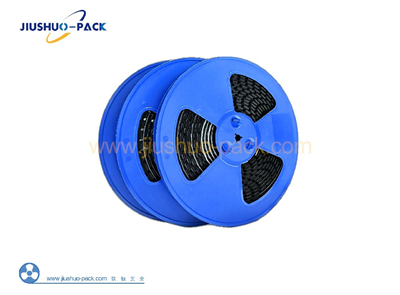
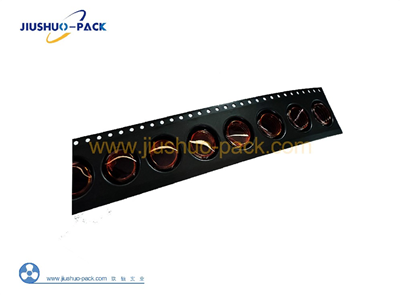
Carrier tape is a long, thin strip of plastic with regularly spaced pockets designed to hold electronic components securely. It is typically used in conjunction with a cover tape, which seals the components inside the pockets. This combination protects the components from physical damage, contamination, and electrostatic discharge (ESD) during storage, shipping, and assembly processes.
The primary function of carrier tape is to ensure that components are delivered to the assembly line in perfect condition and in the correct orientation. This is crucial for high – speed automated pick – and – place machines, which rely on the precision placement of components to manufacture printed circuit boards (PCBs) efficiently.
Compatibility Factors
1. Component Size and Shape
The most obvious factor in carrier tape compatibility is the size and shape of the component. Carrier tapes come in a variety of pocket sizes and shapes to accommodate different components. For example, small passive components like resistors and capacitors may require very small, rectangular pockets, while larger ICs might need larger, square or rectangular pockets with specific dimensions to fit their leads or pins properly.
Manufacturing carrier tapes that match the exact specifications of components is a highly precise process. Even a slight deviation in pocket size can lead to component misalignment, making it difficult or impossible for the pick – and – place machines to pick up the components accurately. As a supplier, we invest heavily in advanced manufacturing technologies to ensure that our carrier tapes have pockets with tight tolerances, resulting in a high degree of compatibility with a wide range of component sizes and shapes.
2. Material Compatibility
The choice of material for the carrier tape is another critical aspect of compatibility. Different components have different material sensitivities, and the carrier tape material must be carefully selected to avoid any adverse reactions.
Some components are sensitive to moisture, so we use materials with low moisture absorption rates. For example, polycarbonate (PC) and polystyrene (PS) are commonly used in carrier tapes because they have relatively low moisture absorption properties, which helps protect moisture – sensitive components.
ESD is also a major concern in the electronics industry. Components can be easily damaged by electrostatic charges, so anti – static or conductive materials are often used in carrier tape production. Conductive polycarbonate or carbon – filled plastics can dissipate static charges, preventing ESD damage to the components during handling.
3. Chemical Compatibility
In addition to material and size considerations, chemical compatibility is essential. Some components may be coated with chemicals or have surface treatments that can react with the carrier tape material. For instance, certain adhesives used in cover tapes or the additives in the carrier tape plastic can cause chemical reactions with the component’s coating, leading to corrosion or degradation of the component.
As a responsible supplier, we conduct extensive chemical compatibility tests to ensure that our carrier tapes do not interact negatively with the components. We work closely with component manufacturers to understand their specific chemical requirements and develop carrier tapes that meet these standards.
4. Temperature and Humidity Resistance
Components may be exposed to a wide range of temperature and humidity conditions during storage and transportation. Carrier tapes need to maintain their structural integrity and compatibility with components under these varying environmental conditions.
Some areas may have high – humidity climates, while others may experience extreme temperature fluctuations. Carrier tapes made from materials with good thermal stability and weather resistance can prevent warping, cracking, or other forms of damage that could affect component compatibility. For example, nylon – based carrier tapes are known for their excellent mechanical properties and resistance to temperature variations, making them suitable for use in harsh environments.
The Importance of Carrier Tape Compatibility
1. Quality Assurance
When carrier tapes are compatible with components, it significantly enhances the quality of the final product. Components that are properly protected and transported in compatible carrier tapes are less likely to be damaged during handling. This reduces the number of defective components on the assembly line, leading to higher – quality PCBs and ultimately, more reliable electronic devices.
2. Efficiency in Production
Compatible carrier tapes are essential for the efficient operation of automated assembly processes. Pick – and – place machines can work at high speeds when components are held securely and in the correct position within the carrier tape pockets. This reduces the time spent on component handling and placement, increasing overall production efficiency and throughput.
3. Cost Savings
Investing in high – quality, compatible carrier tapes can lead to significant cost savings in the long run. By reducing component damage and production downtime, manufacturers can lower their overall production costs. Additionally, fewer defective products mean less waste and rework, which further contributes to cost – effectiveness.
Catering to Different Component Types
1. Passive Components
Passive components such as resistors, capacitors, and inductors are among the most commonly used components in electronics. They are relatively small and have simple shapes. Our carrier tapes for passive components are designed with small, precisely sized pockets to ensure a snug fit. The materials used are chosen to provide good protection against mechanical damage and ESD, which are the main concerns for these components.
2. Active Components
Active components, including transistors, diodes, and ICs, are more complex and often more sensitive than passive components. They require carrier tapes with features such as anti – static properties and precise pocket dimensions to accommodate their leads or pins. We offer a range of carrier tapes specifically designed for active components, with options for different lead counts and configurations.
3. Micro – Electro – Mechanical Systems (MEMS)
MEMS components are extremely small and delicate, often containing moving parts or microstructures. Compatibility for MEMS components is challenging due to their sensitivity to mechanical shock, vibration, and electrostatic forces. Our carrier tapes for MEMS are engineered with ultra – high precision pockets and anti – shock features to protect these components during transportation and handling.
Conclusion
In conclusion, the compatibility of carrier tape with different components is a multi – faceted issue that requires careful consideration of size, shape, material, chemical, and environmental factors. As a carrier tape supplier, it is our responsibility to understand the unique requirements of each component type and develop carrier tapes that offer the highest level of compatibility.
Reel and Tape Packaging Machine By ensuring compatibility, we not only protect the components but also contribute to the overall quality, efficiency, and cost – effectiveness of the electronics manufacturing process. If you are in need of high – quality carrier tapes that are perfectly compatible with your components, I invite you to reach out to us for a detailed discussion and procurement negotiation. We are committed to providing customized solutions that meet your specific needs and help you achieve your production goals.
References
- "Handbook of Electronic Packaging Materials" by C. P. Wong
- "Electronics Assembly and Packaging Technology" by J. Lau
- Industry standards and guidelines provided by the Institute of Printed Circuits (IPC) and the International Electrotechnical Commission (IEC)
Dongguan Jiushuo Industrial Co., Ltd.
As one of the most professional carrier tape manufacturers and suppliers in China, we also support customized service. Please feel free to buy high quality carrier tape made in China here from our factory. Contact us for more details.
Address: 11th Floor, Building 2, Chuangfu Center, Chashan Town, Dongguan City, Guangdong Province, China
E-mail: sales06@zaidaiw.com
WebSite: https://www.carriertape-pack.com/
