Hey everyone, it’s Jake from the industrial flange squad, and today we’re tackling one of the most frequent questions I get from contractors, plant managers, and even some DIY pipeline tinkers: Can As 2129 flanges hang in high-temperature environments? If you’ve ever worked with fluid or gas systems that run hot—like refinery lines, steam transfer setups, or even industrial heating loops—you’ve probably wondered this yourself. Let’s cut through the jargon, skip the AI fluff, and get real about whether these flanges make the cut for heat-heavy jobs. As 2129 Flange
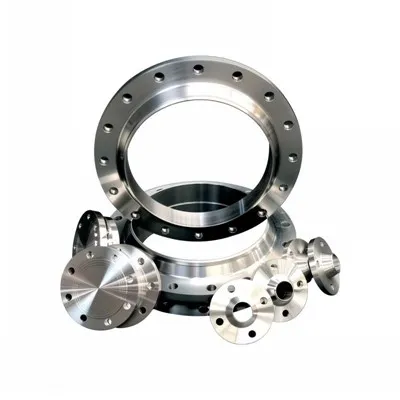
First, quick lowdown for anyone new here: As 2129 is an Australian standard for flanges, right? It’s not some random spec; it’s used all over the world for low-to-medium pressure pipeline connections, mostly in oil and gas, water treatment, and manufacturing. I’ve been selling these things for 8 years, so I’ve seen them go into everything from backyard well systems to big refinery expansions. The key question here is “high-temperature” — what counts as high temp for these? A lot of guys throw that term around like it’s a universal number, but it’s totally relative. For As 2129 flanges, we’re mostly looking at their maximum rated temp, which I’ve seen printed right on the spec sheet for most grades, and it’s not a one-size-fits-all deal.
Let’s break down the materials first, because that’s where the heat performance lives. As 2129 flanges come in a few common materials: carbon steel (that’s the workhorse, most popular we sell), stainless steel, and sometimes alloy steel for extra tough jobs. Carbon steel As 2129 flanges, like the grade we stock most—A105 carbon steel—their sweet spot is usually up to around 800°F (about 427°C). Wait, that’s not nothing. If your pipeline is running steam at 600°F for food processing, or hot oil at 750°F for a chemical plant, that’s right in their wheelhouse. But push that past 800°F, and things start to get wonky. Carbon steel starts to lose its tensile strength as temp climbs higher than that—we’re talking plastic deformation, so the flange can crack or warp under pressure. I’ve had a client call me once panicking because they used our standard As 2129 carbon steel flanges on a line running 900°F for a small boiler upgrade—turns out, the flanges deformed so bad the seal blew out, and they had to shut down production for 12 hours. Oops. That’s a classic case of mismatched materials and temp.
What about stainless steel As 2129 flanges? We stock 304 and 316 stainless for these, which handle heat way better than standard carbon. 316 is the star here—its max rated temp is around 1500°F (816°C), and even at that high end, it holds up way longer. I had another client a couple years back doing a heat treatment furnace exhaust line, running at 1200°F, and they used our 316 As 2129 flanges, and they’ve been running for 5 years now with zero issues. The downside? Stainless is more expensive, obviously, and over time at super high temps, it can get sensitized—wait, that’s when chromium carbides form at the grain boundaries, making it prone to corrosion, especially if there’s moisture or chemicals in the air. So even though it handles heat better, you can’t just stick it anywhere and call it good.
Now, what counts as “high-temperature” for most people? Let’s be realistic: if you’re talking about temps above 800°F, that’s when you need to start looking at upgraded materials. If you’re at or below that, standard As 2129 carbon steel or 304 stainless is totally fine. But here’s the thing I wish more guys knew: it’s not just the material grade. The flange class matters too. As 2129 flanges come in classes like 150, 300, 600, etc. Higher class flanges have thicker walls and higher pressure ratings, and that also ties into heat performance. A class 600 As 2129 flange will handle higher temps than a class 150, even with the same material, because the extra thickness helps it resist warping as metal expands when heated. I always tell clients: don’t skimp on class if you’re running hot lines. Even if your pressure is low, if you’re at the upper end of the temp range, go up a class to play it safe.
Wait, but what about extreme high temps, like over 1500°F? Is As 2129 even used there? No, not typically. For that, you’d be looking at alloy steel flanges, like Inconel or monel, which are way more expensive and not part of the standard As 2129 spec. I’ve never sold an As 2129 flange for a job over 1500°F, and honestly, I’d talk a client out of it if they asked—there are better, more budget-friendly options for that heat. As 2129 is designed for general industrial use, not aerospace or extreme high-heat applications, so that’s a hard limit to remember.
Another big factor: cyclic heat. A lot of industrial systems don’t run at a constant high temp—they heat up and cool down every day, or every production shift. That thermal cycling puts stress on the flange and the gasket, right? I’ve seen standard As 2129 flanges hold up through cyclic heating at 750°F for 10 years, but at 800°F, cyclic stress causes small cracks to form in the material way faster than constant heat. So if your system cycles heat, you need to knock 50-100°F off the max rated temp to get a safe operating range. That’s a mistake a lot of new engineers make—they look at the static rating and don’t account for cycling.
Let’s get into a real example from my own books to make this concrete. Last year, we had a client who was upgrading a petrochemical line that ran hot oil at 780°F, constant, 24/7. They initially ordered standard class 300 As 2129 carbon steel flanges. When I checked their spec, I pulled up the grade sheet and noticed that at 780°F, class 300 A105 As 2129 has a safety factor of about 1.5, which is industry standard, but wait—their line pressure was 280 psi, which is right at the upper end for that rating. I flagged it, told them we could either bump to class 600 carbon steel or go with 316 stainless. They went with the class 600 carbon, saved a bunch of money over stainless, and the line’s been running for 14 months with zero issues. If I hadn’t caught that, they probably would’ve had a leak within a year, or worse, a shutdown.
What about corrosion on top of heat? That’s a double whammy. If your system is hot and has chemicals like sulfur, chloride, or acid, the material’s heat performance drops even more. 316 stainless is good for corrosion, but at 1000°F, chloride ions can cause stress corrosion cracking, even in 316. So in those cases, you might need a specialized alloy flange, not As 2129. I always ask clients about both temp and the fluid they’re moving before recommending an As 2129 flange—you can’t ignore one for the other.
Wait, let’s address a common myth I hear all the time: “As 2129 flanges are only for low temp.” No, that’s not true. We sell thousands of As 2129 flanges a year for applications at 600-800°F, and most of them work perfectly fine. The key is knowing their limits, not writing them off entirely. They’re way more affordable than specialized alloy flanges, so they make total sense for mid-temperature industrial jobs. The mistake is when people push them beyond their rated temp, or use the wrong class, or don’t account for cycling or corrosion.
Another point: proper installation matters. Even the best flange in the world will fail if it’s bolted wrong. When you’re working with high-temp flanges, the bolts expand when heated, so you need to torque them properly, and often re-torque after the system heats up, because the metal expands and the bolt tension drops. I once had a client who skipped re-torquing a class 300 As 2129 carbon steel flange on a steam line running 700°F, and after a week, the bolts had loosened from thermal expansion, causing a leak that soaked half their production floor. That’s avoidable stuff—installation is half the battle with high-temp flanges.
So to wrap this up: Can As 2129 flanges be used in high-temperature environments? The short answer is yes, if you stay within their rated limits. For standard carbon steel As 2129 flanges, that’s up to ~800°F, for 316 stainless, that’s up to ~1500°F, and you have to account for thermal cycling, pressure class, and fluid corrosion. If your temp is over 1500°F, you’ll need a different flange spec. If you’re at 800-1500°F and have corrosive fluids, go with 316 stainless or a higher alloy. And always factor in pressure class and installation practices—they make a huge difference in how long the flange lasts.

I’ve been in this game long enough to know that guys just want answers that work, not spec sheets that read like a textbook. If you’re wondering if As 2129 flanges are right for your high-temp job, or you need a quote, hit me up. We’ve got all grades and classes in stock, and we don’t just sell flanges—we help you pick the right ones for your application so you don’t end up with a messy shutdown. Don’t guess, ask the guy who’s seen hundreds of these flanges in action.
Bolt and Nut References:
- Australian Standard AS 2129:2019, Steel Flanges for Pipelines, Pressure Vessels and Other Pressure Equipment
- Material Properties Handbook for Carbon and Alloy Steels, American Iron and Steel Institute
- Stainless Steel Design Guidelines for High-Temperature Industrial Applications, Nickel Institute
- Pipeline Flange Performance Under Thermal Cycling, Pipeline Research Council International
Shanxi Xinshunda Flange Manufacturing Co., Ltd.
As one of the most professional as 2129 flange manufacturers and suppliers in China, we also support customized service with competitive price. We warmly welcome you to wholesale high quality as 2129 flange for sale here from our factory. For quotation, contact us now.
Address: Zhunagli Industrial Zone,jinchang Town,dingxiang,shanxi,china
E-mail: sales01@xinflange.com
WebSite: https://www.xinflange.com/
