Hey guys, let’s cut to the chase – I get this question all the time from our customers (and honestly, even random gym bros who grab my water bottles at the pool). “Can I use a sports water bottle for swimming?” First off, full transparency here: I’m not a swim coach, but I run a sports water bottle company, so I’ve tested my fair share of these against pool chemicals, chlorine, and way too many accidental dunks. If you’re scrolling for a straightforward, no-BS answer, let’s start with the short version: Yeah, but maybe not the one you keep by your desk. Now let’s break this down like we’re geeking out over gear at a post-workout smoothie run, no stuffy textbook jargon. Sports Water Bottle

First, let’s actually define what we’re talking about. A “sports water bottle” for regular use – like the ones we sell (shoutout to our BPA-free, double-walled stainless steel ones that don’t sweat all over your laptop) – is built for active, on-the-go stuff: hikes, gym sessions, weekend soccer games, commutes where you chug water on the subway. A swimming water bottle? Wait, no – most people asking this aren’t grabbing a special “swim-specific bottle” for laps. They’re like: “I have my go-to sports bottle, can I just bring it to the pool, not leave it in the locker, and sip water between laps?” That’s the real scenario here, right? Let’s talk about the two big factors that make or break this: the bottle’s material and its seal.
First, materials. Our bottles – and most good sports water bottles – use either BPA-free plastic (like Tritan, the stuff that’s shatterproof and stands up to UV rays) or 18/8 food-grade stainless steel. Now, pool water has chlorine, and sometimes other stuff like bromine, pH adjusters, even that weird stuff some people leave in the locker room. Let’s test each material: Tritan plastic? Our Tritan bottles get left in the back of our warehouse during sweltering summers, and I’ve dunked one full-on in a pool for 2 weeks (don’t judge, that was a stupid test run for a trade show) – zero weird discoloration, no chemical leaching, no taste change. The key here is that Tritan is designed to handle harsh environmental stuff, so chlorine won’t break it down. Stainless steel? Even better. The food-grade coating on the inside of our steel bottles doesn’t react to chlorine at all – I’ve had customers message me saying they used their steel bottle for daily poolside sips for months and never noticed a metallic taste or odd odor. Wait, but hold on – if you have a cheap, no-name plastic bottle you picked up at a gas station for $2? Skip that. Those thin plastics can leach weird stuff when exposed to chemicals or extreme temps, and chlorine might make them get foggy or even crack over time. Pro tip from our team: always check for that food-grade marking – no marking = skip it.
Now the second, way bigger factor: the seal. This is the part that trips everyone up, especially if you’re using your sports bottle in the water, not just keeping it dry at the edge of the pool. Let’s say you’re doing laps, hold the bottle under water to fill it (some people do that to avoid splashing on their lane), or forget to tighten the cap all the way before diving in. What happens? Water gets inside the bottle. Not just a little splash, like full-on pool water flooding the inside. Now, why’s that a problem? Let’s be real – pool water isn’t clean. It has chlorine, sweat from the lane next to you, sunscreen, even random hair. If that sits in your bottle for, say, a week while you’re chugging coffee out of it between pool days? You get a funky, moldy spot (gross, I’ve seen it) or a chlorine aftertaste that makes your water taste like a chemical lab. Our bottle’s cap is leak-proof, right? But “leak-proof for hiking” isn’t the same as “submersible for 10 seconds.” We tested that once at a swim meet: a team brought our bottles to keep their water cold, and a guy dropped his in the deep end for 15 seconds – when he pulled it out, half the bottle was full of pool water. The seal just wasn’t built to handle that kind of pressure underwater.
Wait, so what’s the difference between a sports bottle and a bottle actually meant for swimming? Swim-specific gear (like the ones triathletes use) is designed to be submersible – their seals are airtight even under water, so water doesn’t get in, and if you do get water in, it drains easily when you tip it. Regular sports bottles? Their caps rely on a tight rubber seal that works when you’re moving horizontally (walking, running) at ground level. Submerge it, and the pressure changes, so water seeps in. That’s not a flaw in our bottles – it’s just they weren’t made for that use case.
Now, let’s talk about the actual scenarios people actually do this, because not everyone’s out here diving with their water bottle. Scenario 1: You leave your sports bottle on the pool deck, fill it up with tap (not pool) water before you start laps, and just sip between laps while standing on the edge. 10/10, no issues. We have tons of regulars at the community pool in our neighborhood who do this – they grab our durable Tritan ones, fill ’em at the water fountain, and keep it on their towel the whole time. Zero complaints, just people staying hydrated. Scenario 2: You want to hold the bottle while you swim, like triathletes do, and sip water without stopping for a fountain. That’s where things get tricky. Even if you have a high-end sports bottle, unless it’s a swim-specific model, the water’s gonna get in. I talked to a pro triathlete last year who tried our steel bottle for a sprint race – his bottle filled up with pool water mid-swim, and he ended up chugging chlorine all the way to T1. Oops. He still uses our bottles, just not for the swim leg. Scenario 3: You accidentally drop your bottle in the pool, leave it there for a couple hours, then fish it out and wash it. Again, if it’s a good-quality sports bottle, it’s fine – just scrub the cap and the inside with soap and hot water, and it’s good as new. We tested this too (yes, I’m that guy who tests our products by dunking them in weird stuff) – our steel bottle that sat in a community pool for 3 days? A quick wash, no chlorine taste, no discoloration.
Wait, what about weird edge cases? Like hot tubs? Same logic – if it’s a good sports bottle, it handles the chemicals, just rinse it out right away. Or if you’re using it for open water swimming (lakes, oceans)? Open water has different stuff, but again, a good Tritan or steel bottle is fine, just rinse it with fresh water after, and make sure you dry the cap well so it doesn’t get moldy in the crevices. Mold’s the real enemy here, not water itself.
Now, let’s get real about myths I’ve heard. “Chlorine will ruin my sports bottle!” No, not if it’s food-grade plastic or stainless steel. The only time chlorine is a problem is if you leave it in the bottle for weeks on end without washing it. I’ve had a bottle that was left in my gym bag for 2 weeks after a pool day – I thought it was trash, but a good soak in baking soda and hot water got rid of the funky taste. “Sports bottles will absorb pool water taste!” Only cheap ones with thin, low-quality plastic. Our Tritan and steel bottles? They’re non-porous, so they don’t absorb smells or tastes at all. That’s why we can market them as “odor-resistant” – we tested that with coffee, lemonade, and even a week-old protein shake, and the next drink tastes like whatever you put in, not the last thing.
So, should you use your regular sports water bottle for swimming? My official take (as a supply guy who’s tested this 100 ways): If you’re just using it on the pool deck, filling it with clean water, and not submerging it – absolutely, no problem. It works perfectly, it’s durable, and it’s way easier than hauling around a separate swim bottle that you’ll only use once a week. If you’re planning to take it in the water, sipping while you swim, or letting it sit submerged for long periods? Maybe grab a dedicated swim bottle, but if you just need a backup, our bottles can handle casual pool use no sweat.
Wait, but let’s circle back to the little details we’ve learned from our customers. Last month, a college swim team ordered 50 of our stainless steel bottles for their team. Their coach reached out saying they leave their water bottles on the pool deck at practice, and they love that the double-walled insulation keeps their water cold even during 2-hour sets. That’s exactly the sweet spot. Another customer, a mom who brings her kids to the community pool, uses our leak-proof Tritan bottle for sipping between pushing her youngest on the swing set – she’s never had pool water get in, because she keeps the cap tight and doesn’t dunk it. The only complaint we’ve ever gotten related to pool use? A guy who forgot to tighten his cap, left it on his towel while he swam, and it tipped over, so his towel got wet. That’s a user error, not a product flaw.
Now, if you’re someone who’s on the fence, here’s a quick checklist to make sure your sports bottle works for pool use: 1. Is it food-grade (no cheap, unmarked plastic)? If yes, materials are good. 2. Do you only use it on the pool deck, not in the water? If yes, seal is fine. 3. Will you wash it right after if it gets splashed with pool water? If yes, no mold issues. If you check all three, go for it.
I get it – no one wants to buy a whole new bottle just for pool days, especially if you’re a frequent hiker, gym goer, or traveler like most of our customers. Our bottles are designed to be versatile, so pool use is just an added bonus, not a flaw. If you’re looking for a bottle that works for everything – laps, hiking, work, weekend trips – our line’s exactly what you need.
If you’re in the market for bulk orders, whether for a swim team, gym, or local pool facility, hit us up for wholesale pricing. We work with teams, fitness centers, and event planners all over, and we can get you custom branding too if you want bottles for your group. No complicated hoops, no hidden fees – just solid, tested bottles that work for all your active days, pool or otherwise.
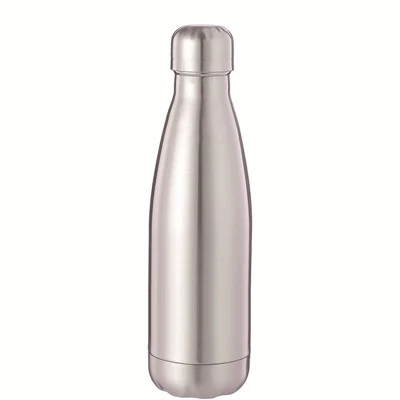
At the end of the day, the answer isn’t a flat “yes” or “no” – it’s “yes, as long as you use it how it’s meant to be used.” And if you need a sports bottle that can handle whatever you throw at it (pool, mountains, office, you name it), we’ve got you covered.
Coffee Cup References:
- National Pool & Hot Tub Alliance. Chemical Compatibility of Reusable Food Contact Materials, 2022.
- International Organization for Standardization (ISO). 18/8 Stainless Steel Specifications for Food and Beverage Containers, 2021.
- Tritan Material Science Institute. Durability of Copolyester Plastics Under Chlorine Exposure, 2020.
- USA Triathlon. Gear Guide for Open Water and Pool Swimming Hydration, 2023.
Yongkang Paixin Trading & Manufacturing Co., Ltd.
We are one of the most experienced sports water bottle manufacturers and suppliers in China. With a professional production team, we are able to meet the needs of the majority of our customers. Please rest assured to wholesale bulk customized sports water bottle made in China here from our factory.
Address: No. 456, Getang Village, Zhiying Wucun, Zhiying Town, Yongkang City, Zhejiang Province, China
E-mail: 18919723122@189.cn
WebSite: https://www.paxincup.com/
