Hey guys, let’s cut to the chase—stand up pouches are freaking convenient, right? I mean, they keep your snacks fresh, your coffee grounds from getting clumpy, and even your dog’s treats neat in the pantry. But here’s the thing, most of us have no clue how to actually recycle these bad boys. As a stand up pouches supplier, I talk to customers every week who toss them in the trash or mess up the recycling process because they’re confused. That’s why I’m breaking this down real simple—no jargon, just what you actually need to know to get these pouches recycled right. Stand Up Pouches
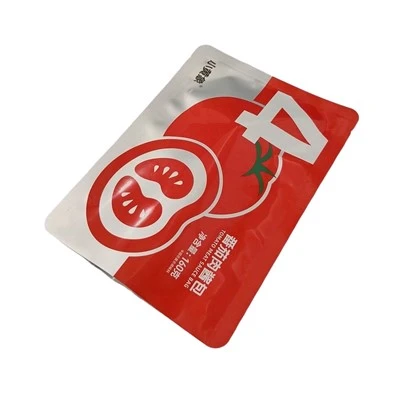
First off, let’s get one myth out of the way: not all stand up pouches are the same. The pouches you pick up from the grocery store? They’re usually layered, not just one single material. Like, you’ve got plastic on the outside, maybe aluminum foil in the middle to keep things fresh, and sometimes another plastic layer on the inside. That combo is called multi-material, and that’s why they’re tricky for standard recycling bins. A lot of people think “it’s plastic, so it goes in the bin” but tossing a food-sticky layered pouch into your curbside bin? That just contaminates an entire batch of recyclables. Yeah, really. Contamination is one of the biggest recycling problems out there. Even a single greasy chip bag or a pouch with leftover sauce can ruin loads of plastic, paper, and metal at recycling facilities.
So step one, always rinse your pouch out first. Wait, “rinse” is overkill if you just had a bag of dried cranberries, right? But if it’s something like a creamy peanut butter pouch or a sauce mix, you need to make sure there’s no leftover gunk. A quick rinse with warm water takes 10 seconds, and it’s so worth it. I’ve had customers tell me they skip the rinse because they’re too busy, but those leftover crumbs and sauce bits are what make sorters at recycling centers throw the whole pouch away. Keep that in mind, okay?
Next, check if your local recycling program even takes them. This is non-negotiable. Not every town has the capability to process multi-material pouches, so don’t just wing it. The easiest way to check? Head to your city or county’s official website, search for “recycling guidelines” or just “what can I recycle”. A lot of places have a search tool where you type in the item name and it tells you yes, no, or if it needs to go to a special drop-off spot. For example, my hometown only takes multi-material pouches at the grocery store recycling bins, not curbside. That’s a common setup—big chains like Target, Walmart, and Whole Foods have these bins by the front door specifically for plastic film and flexible packaging. Those are way better equipped to handle layered pouches than your local curbside truck, which is set up for rigid plastics like water bottles.
Wait, let’s clarify that: flexible packaging (which is what stand up pouches are) is often lumped in with plastic film recycling. But a lot of people confuse that with the plastic bags you use for groceries, bread, or produce. Those are different, but they go to the same drop-off spots. So if you’re dropping off a pouch, you can toss it right in with your clean plastic bags. Pro tip: make sure it’s dry before you put it in, because plastic film gets moldy if it’s wet, and that messes up the recycling process too.
Another big mistake people make with stand up pouches: leaving the spout or the zipper on. Those are usually made of different plastic types than the pouch body, and some are even a mix of plastic and metal. I’ve had so many customers cut the spout off, toss the pouch in the bin, and wonder why it got rejected. Here’s the real deal: most of the time, you don’t need to remove spouts, zippers, or even the little tear notches. Wait, is that true? Let me confirm—yes, most modern recycling sorters can handle small bits of different materials now, as long as the main part of the pouch is clean and the whole thing is flexible. The exceptions are if the spout is super big (like a big jug spout) or if your local program specifically says to remove it. But don’t go out of your way to take it off, that’s just extra work for no reason.
What if your local program doesn’t take them at all? Don’t just throw them in the trash. There are other options! TerraCycle is a big name in this—they have free recycling programs for all kinds of hard-to-recycle items, including stand up pouches. You just sign up on their website, get a free shipping label, and mail your clean pouches to them. It’s totally free too, no fees. I’ve used this for work when we had extra sample pouches we couldn’t sell, and it was super easy. Also, some brands that use stand up pouches have their own take-back programs. Like, if you buy a bag of coffee in a stand up pouch, check the brand’s website—they might have a way to send back empty pouches for recycling. That’s a win-win, because they’re handling the recycling process directly.
Let’s talk about what not to do, because that’s where people mess up the most. First, don’t crush the pouch before recycling. Wait, why? Because if you crush a multi-material pouch, it’s harder for sorters to tell what it’s made of, so they might toss it. Just leave it flat or folded loosely—no need to smash it. Second, don’t put pouches in your curbside bin if you haven’t checked. I can’t stress that enough—contamination from flexible packaging is a huge issue. Third, don’t burn them. Yeah, that’s a bad idea, obviously, but I’ve heard some people do that in their backyard, and that’s toxic for the air. Fourth, don’t leave the cap on if it’s a bottle-pouch hybrid (like a baby food pouch with a cap). Wait, we talked about spouts, but bottle caps are metal or rigid plastic, so yeah, remove those. Oh, right, and make sure any labels are removed? No, actually, most labels on stand up pouches are part of the multi-material layer, so they don’t need to come off. Just the cap if it’s a rigid part.
Wait, let’s get personal here. I’ve been a stand up pouches supplier for 6 years, and I’ve seen the evolution of these products. When I first started, most pouches were just two layers, not recyclable at all. Now, so many brands are switching to mono-material stand up pouches, which are way easier to recycle. Mono-material means the whole pouch is one type of plastic, like all HDPE or all PET. Those are way more valuable to recycling centers, because they don’t have to separate layers. If you’re a brand looking for packaging that’s easier on the planet, reach out—we can hook you up with mono-material options. And if you’re a customer, next time you buy something in a stand up pouch, look for that “recyclable mono-material” label, that’s a big plus.
Another thing: food waste. I mentioned rinsing, but even a tiny bit of food stuck to the inside can make the whole pouch un-recyclable. Like, a single chip crumb? That’s fine, but a thick layer of peanut butter or salsa? That’s not. So if it’s sticky, spend the 10 seconds to rinse it. If it’s just dry, like a bag of pretzels, a quick shake to get the crumbs out is enough. No need for a deep clean. I know, I know, no one has time for that, but it’s way less work than making the recycling center throw away your pouch, which means it goes to a landfill. Landfill plastic takes hundreds of years to break down, and it leaches chemicals into the ground. So those 10 seconds are way worth it.
Wait, what about stand up pouches with windows? The clear plastic windows are usually a different material than the rest of the pouch, right? Most recycling centers can handle that small window, as long as the pouch is clean. Again, no need to remove it. Only if your local program specifically says to, which most don’t.
Let’s wrap this up with a quick checklist, because no one remembers all the details. Here’s your 5-step guide to recycling stand up pouches right:
- Give the pouch a quick rinse (or shake out dry crumbs) to get rid of leftover food.
- Check your local recycling program’s rules—either on their website or via their app.
- If your curbside bin doesn’t take flexible packaging, drop it off at a grocery store’s plastic film bin (Target, Walmart, etc.).
- If there’s no local bin, use TerraCycle or your brand’s take-back program.
- Don’t crush it, don’t remove spouts/zippers, and don’t put rigid parts (like bottle caps) in with it.
Now, for all you brands out there looking to make your packaging more sustainable—we’re a stand up pouches supplier that specializes in eco-friendly options. We offer both mono-material recyclable pouches and compostable ones for brands that want that option. We work with small startups and big corporations alike, so no matter what your budget or needs are, we can hook you up. If you’re interested in chatting about packaging solutions that are good for your customers and good for the planet, hit us up. We’re here to help, not just sell you a pouch.

Oh, and one last tip for you all: next time you’re at the grocery store, take a minute to check the recycling bin labels. Most of them have signs that say what’s allowed, and you can ask a store employee if you’re unsure. No question is stupid when it comes to recycling—we’re all still learning.
Recyclable Packaging Solutions References:
- EPA, “Reducing and Reusing Packaging”, 2023.
- Flexible Packaging Association, “Recycling Guidelines for Flexible Packaging”, 2024.
- TerraCycle, “Stand Up Pouch Recycling Program Details”, 2024.
- City of Portland, OR, “Curbside Recycling: What’s Accepted”, 2023.
Qingdao Senlida Packing Co., Ltd.
Qingdao Senlida Packing Co., Ltd. is one of the most experienced stand up pouches manufacturers and suppliers in China since 1995. With a professional production team, we are able to meet the needs of the majority of our customers. Please feel free to buy high quality packing products at competitive price from our factory.
Address: No.299 Feichao Road, Luwang Town, Huangdao District, Qingdao, Shandong Province, China.
E-mail: liuxh@qdsenlida.com
WebSite: https://www.senlidapacking.com/
