Hey everyone, let’s cut to the chase—if you’re in the manufacturing, electrical, or construction game, you’ve probably run across copper rods before, but do you actually get why they’re such a workhorse for so many projects? I’m [your name] from a copper rod supply company, and I’ve been geeking out on copper’s perks for years, so let’s break this down straight, no fluff, no overly technical jargon (promise). First off, let’s stop overcomplicating it: a copper rod isn’t just a hunk of metal. It’s that dependable middle guy that keeps your projects running, whether you’re wiring a factory, grounding a new building, or forging parts for a piece of heavy machinery. Let’s dive into the real advantages that make us send these rods out to clients week in and week out. Copper Rod
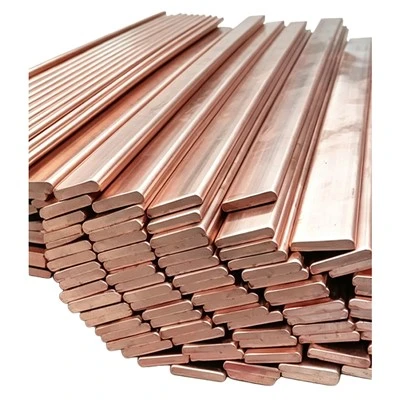
First, conductivity—this isn’t just “good” for wires, it’s the main reason copper rods are non-negotiable. You know that thing where other metals lose power as electricity travels through them? Yeah, copper barely does that. It’s way more conductive than aluminum, steel, or even some fancy alloys you might test. For electrical applications, that means less energy waste, which is huge for your bottom line—lower utility bills mean happier stakeholders, right? Wait, but it’s not just power lines. For grounding rods, that conductivity lets excess electrical current (think lightning strikes or a short circuit) flow safely into the ground instead of frying your equipment. I’ve had clients tell me that switching to copper rods for their grounding systems cut their electrical maintenance costs by almost 15% in a year—now that’s a number you can count on. And don’t sleep on thermal conductivity, either. Copper rods transfer heat way better than most common metals, so they’re perfect for heat exchangers in HVAC units or cooling systems for industrial motors. No more overheating parts, no more unexpected downtime—sounded like a win to me.
Next up, durability, and I’m not just talking “it doesn’t break easy.” Copper is basically built to last, even when things go wrong. It’s corrosion-resistant—way more than steel, which rusts out and becomes useless in damp or outdoor environments. A copper rod buried in the ground for a grounding system? I’ve seen ones that’ve been there 30+ years with almost zero degradation. That means you don’t have to replace them every couple of years, which saves you cash in the long run. Also, copper has this awesome malleability—you can bend it, draw it into wires, shape it without cracking, which is way harder with metals like cast iron. For fabrication teams, that’s a game-changer: you don’t have to deal with broken parts mid-project, you can customize the rod to fit your exact needs without extra work. And let’s not forget about fatigue resistance—copper doesn’t snap after repeated stress, like if you’re running a rod through a production line thousands of times a day. I remember a client in the auto parts industry who switched from steel to copper rods for their stamping tools and cut their tool replacement frequency by half. That’s the kind of savings that adds up fast.
Wait, sustainability is huge right now, and I swear copper’s got this on lock too. It’s 100% recyclable, no loss in quality at all. You can melt down old copper rods, reprocess them, and they’re just as good as new. Unlike some plastics or other metals that end up in landfills, copper never really goes to waste. And since demand for recycled copper is through the roof, using copper rods means you’re contributing to a circular economy—no need to mine new raw materials for every project. Even better, some studies show that recycling copper uses like 85% less energy than mining and processing virgin copper. For a business that’s trying to hit sustainability targets, that’s not just a buzzword—it’s a real way to reduce your carbon footprint. I’ve had several green-focused contractors reach out specifically because our copper rods are recyclable, which helps them get LEED credits or whatever certifications they’re chasing. That’s a perk I didn’t even fully appreciate until a few years back when clients started asking about that stuff.
Another thing people often sleep on: consistency. When you work with a reputable supplier (ahem, ours), copper rods are made to tight specs every single time. We’re not sending out rods that are a little too thin here or a little too soft there—each one’s tested to meet exact electrical and physical standards. That consistency is make-or-break for big projects: if you’re wiring a whole skyscraper, you can’t have one rod that’s worse than the rest, that would cause a fire hazard or a power outage. And for industrial use, that consistency means your machinery runs at peak efficiency, no weird glitches because of a wonky metal rod. I’ve heard horror stories from clients who used cheap, off-spec rods from other suppliers and had to redo entire sections of their wiring because the rods were too porous or not conductive enough. That’s not a headache you want—consistent quality from a copper rod supplier eliminates that entirely.
Wait, let’s talk about versatility too. Copper rods aren’t just for one thing. Yeah, they’re huge in electrical and construction, but they’re also used in art (sculptors love copper for its color and workability), in plumbing fittings, in marine parts (since it resists saltwater corrosion), even in electronics. One week we’re sending rods to a solar panel manufacturer for their wiring, the next we’re sending them to a construction company for groundings, the next to a boat builder for propeller shafts. That adaptability means whatever industry you’re in, chances are a copper rod can solve a problem you’re dealing with. Unlike some specialty metals that only work for one use, copper’s got range, which is why it’s been used for thousands of years—civilizations way back when used copper for tools and pipes, and it’s still going strong today. Talk about a timeless material.
Now, let’s be real—no material is perfect, and I don’t want to oversell it. Copper can be a bit pricier upfront than, say, aluminum, but let’s circle back: the conductivity, durability, and longevity of copper almost always make up for that higher initial cost. You won’t be replacing your copper rods every 5 years, so over 20 years, you’ll spend way less than you would on cheaper, shorter-lasting alternatives. It’s the same idea as buying a good pair of boots: they cost more at first, but you don’t have to buy new ones every year. That’s a value add that a lot of people miss when they’re just looking at the upfront price tag.
So if you’re working on a project where you need a material that’s reliable, efficient, long-lasting, and flexible, copper rods are hard to beat. I’ve been supplying copper rods for years, and I’ve seen how they make a difference for small businesses and huge corporations alike. Whether you’re doing a small residential wiring job or a massive industrial build, having the right copper rods can cut your costs, reduce downtime, and make your project run smoother.
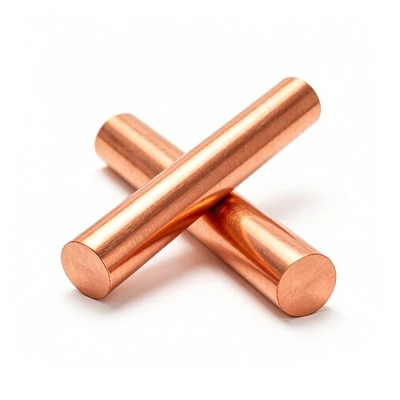
If you’re ready to stop dealing with flimsy, inconsistent materials and get the real benefits that copper rods bring, hit us up to connect for a quote or to chat through your specific project needs. No hard sell, just straight talk about how we can supply you with high-quality copper rods that fit your exact requirements.
Profiled Copper Busbars References
- International Copper Association. (2022). Copper Conductivity and Performance in Electrical Applications.
- Copper Development Association. (2021). Corrosion Resistance of Copper and Copper Alloys.
- U.S. Environmental Protection Agency. (2020). Recyclability of Copper and Its Role in Circular Economy.
- National Electrical Manufacturers Association. (2023). Performance Standards for Electrical Grounding Rods.
Zhejiang Jintai Copper Industry Co., Ltd.
We are one of the most professional copper rod manufacturers and suppliers in China, also support customized service. With abundant experience, we warmly welcome you to wholesale bulk high quality copper rod made in China here from our factory. For quotation, contact us now.
Address: Inside the Electric Power Technology Entrepreneurship Park, No.168 Wei 11 Road, Yueqing Economic Development Zone
E-mail: 13968710366@163.com
WebSite: https://www.jintaicopper.com/
