If you’ve ever hauled a weather-beaten duffel to a camping trip or toted a hard-shell carry-on across a desert trail, you know outdoor luggage isn’t just a bag—it’s built to take a beating. Stitched with tough nylon, reinforced with polycarbonate, and lined with water-resistant fabric, it’s made to last. But what happens when that trusted sidekick finally gives out? As an outdoor luggage supplier, we get this question all the time: how does the recycling process for outdoor gear actually work, and why can’t you just toss it in your curbside bin? Let’s break it down, no jargon, straight talk from someone who’s spent years designing gear that’s tough enough for the trail—and recyclable enough to keep the planet going strong. Outdoor Luggage

First off, curbside recycling was made for stuff like soda cans or plastic milk jugs, right? Most outdoor luggage? Not so much. The materials we use are a mix—like hard-shell cases that blend polycarbonate (a super tough plastic) with a little ABS for impact resistance, or duffels that pair ripstop nylon with water-resistant PU coatings. Curbside programs usually sort by plastic type, but mixing two kinds of plastic is a red flag for most facilities. They can’t process it without it contaminating whole batches of clean plastic. So if you toss your old backpack in with your water bottles, it’s probably gonna end up in a landfill. Bummer, I know. That’s why we built a take-back program a few years back—we wanted to cut that waste before it even got to the sorting center.
So let’s walk through the actual recycling process step by step, like we’d walk a customer through prepping a gear return. First step: we collect the old stuff. We work with local partner drop-off spots near our warehouse, and we’ve also got a prepaid shipping label for customers who mail their gear straight to us. No fine print—we take any brand, not just ours, because outdoor gear is gear, and all of it’s part of the same cycle. Once the package hits our loading dock, the first stop is our disassembly line. That’s where our team pulls off the zippers, buckles, and straps. Those small parts might seem trivial, but if we leave metal zippers on a hard-shell case, they’ll mess with the shredder later. We sort those parts: metal buckles go to a recycler that melts ’em down for new hardware, zippers go to a textile recycler that repurposes the nylon teeth. We don’t toss a single piece here.
Next up, the big chunks: the main fabric and hard plastic bodies. For duffels, we take off any leftover tags or labels, then feed the whole fabric piece into a shredder. It tears into little 2-inch flakes—think confetti, but tough. The shredded nylon flakes get washed with mild, eco-friendly detergent to get rid of dirt, sunscreen, or old camp gunk that’s caked on. Then we dry ’em in a low-heat tumble (we use waste heat from our warehouse HVAC, so that’s extra green) and send ’em to a spinner that pulls out tiny plastic fibers we can’t use. Those go to a different recycler that makes insulation for outdoor jackets, which is kind of a full-circle win. The good nylon fibers get melted and spun into new thread—stuff we use to stitch the seams on our new duffels. Last year, we used 12,000 lbs of this recycled thread, which saved like 3,000 gallons of water that would’ve gone into making new nylon. That’s the stuff that matters to us.
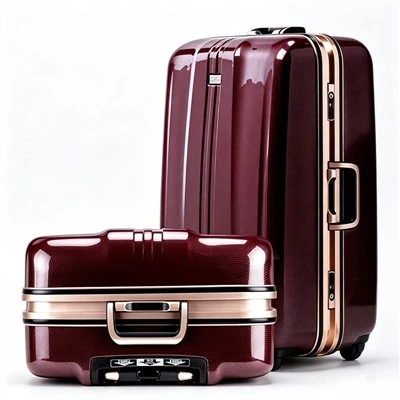
For hard-shell luggage, the process is a little different. The polycarbonate/ABS mix is solid, so we shred it into bigger chunks than fabric—like 3-inch pieces. Then we put those chunks through a float test: we dump ’em in a tank of water, and the polycarbonate sinks while any leftover bits of ABS or fabric float to the top. We skim the top off, and the clean polycarbonate chunks get melted down into pellets. Those pellets are like plastic Lego bricks—we can mold ’em into new hard-shell cases. Last year, we tested it with a sample: a small carry-on made 100% from recycled hard-shell pellets, and it passed our drop test (we drop ’em from 3 feet onto concrete, no cracks) with flying colors. No one would’ve guessed it was made from someone’s old broken duffel.
Wait, but what about the water-resistant coatings? A lot of backpacks have a durable water repellent (DWR) layer, right? That’s the stuff that keeps your tent poles dry in a downpour, but it’s been a pain for recycling. For a long time, those DWR layers were made with PFAS, which are super toxic. A few years back, we switched to a plant-based DWR—made from soy and canola oil, no PFAS, breaks down naturally over time. That makes the recycling process way easier, because when we wash the fabric, the DWR comes off in the detergent, and it doesn’t contaminate the nylon flakes. We even tested it: the recycled fabric from last year’s returns had no trace of old DWR, so the new jackets we made from it were just as water-resistant as any other. That’s the kind of small change that adds up.
I know what you’re thinking: this sounds great, but why can’t I just drop my old luggage at a regular recycling center? A lot of them don’t have the equipment to sort mixed plastics or remove DWR. We checked last year—only about 12% of U.S. curbside recyclers accept hard-shell luggage, and none accept outdoor duffels because of the fabric mix. So if you wanna make a real difference, your best bet is a brand take-back program like ours, or a gear swap. Swapping works too—someone’s old hiking backpack is another hiker’s new go-to. We’ve seen so many customers swap a 10-year-old duffel for a waterproof one, and that’s way better than recycling. It cuts waste, saves money, and lets gear do what it’s made for: being used.
We’ve learned a lot in the last three years running our recycling program. Early on, we tried to process too many parts at once, and we ended up with a bunch of contaminated plastic that we couldn’t use. So we worked with a local textile recycler to train our team on disassembly—now we have a pro who checks every bag before it hits the shredder. We also started asking customers to wipe off any dirt before they send it in, which makes the washing step way faster. Small tweaks, but they made a huge difference. Last quarter, we recycled 1,800 lbs of gear, which is like keeping 12 old hard-shell cases and 30 duffels out of landfills. That might not sound like a lot, but it’s a start—and we’re growing.
If you’re a small business or a retail shop that sells outdoor gear, you probably have a stack of old displays or returned luggage that you don’t know what to do with. We’d love to chat about partnering—we can set up a take-back program for your store, and we’ll process all the gear for free, no hidden fees. Even if you’re a big brand, we can help you figure out how to turn your old inventory into new outdoor gear that’s still tough enough for the trail. We’re not just a supplier—we’re part of the outdoor community, and we know we all have to work together to cut down on waste.
Want to learn more about how we turn old luggage into new gear, or how to set up a take-back program for your team? Reach out to our sales team to talk through your needs. Whether you’re a hiker with a broken backpack, a shop owner with leftover inventory, or someone who just cares about where their gear goes when it’s done, we’re here to help.
Outdoor Luggage References
- Outdoor Industry Association. (2022). Sustainable Outdoor Gear Recycling Report.
- Global Recycling Foundation. (2023). Mixed Plastic Recycling: Challenges and Solutions.
- Textile Exchange. (2022). Plant-Based DWR: A Guide to Low-Impact Durable Water Repellents.
- U.S. Environmental Protection Agency. (2021). Curbside Recycling Acceptance Rates for Textiles and Mixed Plastics.
Guangdong Meijiamei New Material Technology Co., Ltd.
As one of the most professional outdoor luggage manufacturers and suppliers in China, we also support customized service. Welcome to wholesale bulk high quality outdoor luggage made in China here from our factory. If you have any enquiry about quotation and free sample, please feel free to email us.
Address: Building 6, No.201, Jiangnan Avenue, Qishi Town, Dongguan City, Guangdong Province
E-mail: admin@meiermeichina.com
WebSite: https://www.cnmeijiamei.com/
