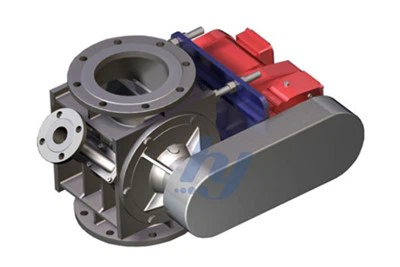
Powder leakage from a rotary airlock valve can be a persistent and costly problem in many industrial processes. As a supplier of rotary airlock valves for powder, I’ve encountered numerous clients facing this issue. In this blog, I’ll share some effective strategies to prevent powder leakage, drawing on my experience and industry knowledge. Rotary Airlock Valve for Powder
Understanding the Causes of Powder Leakage
Before we delve into the prevention methods, it’s crucial to understand why powder leakage occurs in the first place. There are several common factors that contribute to this problem.
Wear and Tear
Over time, the components of a rotary airlock valve, such as the rotor, housing, and seals, can experience wear and tear. Constant contact with the powder during the valve’s operation causes abrasion, which can gradually degrade the parts. As the clearances between the rotor and the housing increase due to wear, powder can escape through these gaps, leading to leakage.
Improper Installation
A poorly installed rotary airlock valve is more likely to have leakage issues. If the valve is not aligned correctly, it can create uneven pressure distribution within the system. This uneven pressure can force powder out through cracks or gaps in the valve. Additionally, if the seals are not installed properly or are damaged during installation, they won’t be able to provide an effective barrier against powder leakage.
Incompatible Seal Materials
The choice of seal materials is critical. If the seals are not compatible with the type of powder being handled or the operating conditions, they may fail prematurely. For example, some powders may be abrasive, corrosive, or have high temperatures. If the seal material is not resistant to these factors, it can deteriorate quickly, allowing powder to leak.
High Pressure Differential
A significant pressure differential across the rotary airlock valve can also cause powder leakage. When the pressure on one side of the valve is much higher than the other, it can overcome the sealing force of the valve, pushing the powder through any available openings.
Preventive Measures
Regular Maintenance and Inspection
One of the most effective ways to prevent powder leakage is to implement a regular maintenance and inspection schedule. This involves checking the valve’s components for signs of wear and tear, such as excessive clearance between the rotor and the housing. If any worn parts are detected, they should be replaced promptly.
Inspecting the seals is also crucial. Look for signs of damage, such as cracks, cuts, or deformation. Replace the seals if they show any signs of deterioration. Additionally, clean the valve regularly to remove any powder buildup that could cause abrasion or interfere with the sealing mechanism.
Proper Installation
Ensure that the rotary airlock valve is installed correctly. Follow the manufacturer’s installation instructions carefully, including proper alignment and torque specifications. Use the appropriate tools and techniques during installation to avoid damaging the valve or its seals.
It’s also important to install the valve in a suitable location. Avoid areas with excessive vibration or where the valve may be exposed to extreme temperatures or harsh environmental conditions. If necessary, use vibration isolation mounts or protective enclosures to ensure the valve’s optimal performance.
Selecting the Right Seal Materials
Choose seal materials that are compatible with the type of powder being handled and the operating conditions. For abrasive powders, use seals made of materials with high wear resistance, such as polyurethane or ceramic. For corrosive powders, select seals that are resistant to chemical attack, such as Viton or Teflon.
Consider the temperature range of the application as well. Some seal materials may lose their elasticity or become brittle at high or low temperatures, leading to leakage. Make sure the selected seal material can maintain its sealing properties within the specified temperature range.
Controlling the Pressure Differential
To prevent powder leakage caused by high pressure differential, it’s important to control the pressure within the system. Install pressure regulators or relief valves to ensure that the pressure across the rotary airlock valve remains within the recommended range.
If possible, design the system to minimize the pressure differential. This can be achieved by using larger diameter pipes, reducing the number of bends or restrictions in the pipeline, or adjusting the flow rate of the powder.
Upgrading to a High-Quality Valve
In some cases, the best solution to prevent powder leakage may be to upgrade to a high-quality rotary airlock valve. Look for valves that are designed with advanced sealing technology and precision engineering. These valves typically have tighter clearances between the rotor and the housing, which reduces the risk of powder leakage.
High-quality valves also use superior materials and construction techniques, making them more durable and resistant to wear and tear. They may also come with additional features, such as self-adjusting seals or easy-to-maintain designs, which can further improve their performance and reliability.
Case Studies
Let me share a couple of case studies to illustrate how these preventive measures have helped our clients solve their powder leakage problems.
Case Study 1: A Chemical Manufacturing Company
A chemical manufacturing company was experiencing significant powder leakage from their rotary airlock valves. The powder was abrasive and corrosive, and the seals in their existing valves were deteriorating quickly. After conducting a thorough inspection, we recommended replacing the seals with a more suitable material, Viton, which is resistant to both abrasion and chemical attack.
We also advised the company to implement a regular maintenance and inspection schedule to monitor the valve’s performance. After these changes were made, the powder leakage was significantly reduced, and the company was able to improve their production efficiency and reduce their operating costs.
Case Study 2: A Food Processing Plant
A food processing plant was facing powder leakage issues due to improper installation of their rotary airlock valves. The valves were not aligned correctly, which created uneven pressure distribution and allowed powder to escape. We worked with the plant’s maintenance team to reinstall the valves correctly, following the manufacturer’s instructions.
We also recommended upgrading to a higher-quality valve with advanced sealing technology. After the installation and upgrade were completed, the powder leakage was completely eliminated, and the plant was able to meet their strict food safety standards.
Conclusion
Preventing powder leakage from a rotary airlock valve requires a comprehensive approach that includes regular maintenance, proper installation, selecting the right seal materials, controlling the pressure differential, and upgrading to a high-quality valve if necessary. By implementing these strategies, you can minimize powder leakage, improve the efficiency of your industrial processes, and reduce your operating costs.
Sinter Plate Dust Collector If you’re experiencing powder leakage issues with your rotary airlock valves or are looking for a reliable supplier of high-quality valves, I encourage you to reach out to us. We have a team of experts who can provide you with customized solutions based on your specific needs. Contact us today to start a conversation about how we can help you solve your powder handling challenges.
References
- Chemical Engineering Handbook, 5th Edition
- Industrial Rotary Equipment Maintenance Guide
- Sealing Materials for Powder Handling Applications, Technical Report
Shanghai Hanye Engineering Technology Co., Ltd.
As one of the most experienced rotary airlock valve for powder manufacturers and suppliers in China, we offer a wide range of products with superior quality. We warmly welcome you to buy customized rotary airlock valve for powder at competitive price from our factory. For more information, contact us now.
Address: Building 7, No. 428 Banqiao East Road, Shanyang Town, Jinshan District, Shanghai
E-mail: Windy@hanye-tech.com
WebSite: https://www.hanyeconveying.com/
