Hey there! I’m a supplier of RF coaxial cables, and I’ve seen my fair share of issues with these cables over the years. In this blog, I’m gonna talk about the common failures of RF coaxial cables. RF Coaxial Cable
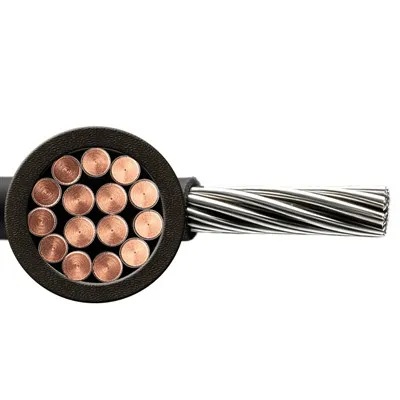
1. Signal Loss
One of the most common problems we encounter is signal loss. Signal loss is basically the reduction in the strength of the signal as it travels through the coaxial cable. There are a few reasons why this might happen.
First off, the quality of the cable itself matters a lot. If the cable is made with low – grade materials, it’s more likely to have higher signal loss. For example, if the dielectric material inside the cable isn’t of good quality, it can cause the signal to dissipate. The dielectric is the insulating material between the inner conductor and the outer shield. A poor dielectric can lead to energy leakage and thus, signal loss.
Another factor is the length of the cable. The longer the cable, the more signal loss you’re gonna get. That’s just the way it is. As the signal travels along the cable, it has to overcome resistance and other factors that gradually weaken it. So, if you need to transmit a signal over a long distance, you might need to look into using amplifiers or shorter cables in a daisy – chain setup.
The frequency of the signal also plays a role. Higher – frequency signals tend to experience more signal loss compared to lower – frequency ones. This is because high – frequency signals are more susceptible to the effects of the cable’s impedance and the dielectric properties.
2. Impedance Mismatch
Impedance mismatch is another biggie. Impedance is like the electrical resistance that a cable offers to the flow of a signal. When the impedance of the cable doesn’t match the impedance of the devices it’s connected to, you’re gonna have problems.
Let’s say you have a cable with an impedance of 50 ohms, but the device it’s connected to has an impedance of 75 ohms. This mismatch can cause reflections of the signal. When the signal reaches the point of impedance mismatch, part of it gets reflected back instead of being transmitted forward. These reflections can lead to distortion of the signal and can even cause interference.
You can usually spot impedance mismatch by looking at the standing wave ratio (SWR). A high SWR indicates a significant impedance mismatch. To fix this, you need to make sure that the cable and the devices have the same impedance. Sometimes, you might need to use impedance – matching devices like baluns to get things right.
3. Physical Damage
Physical damage to the cable is a real headache. It can happen in a bunch of ways. One common cause is bending the cable too sharply. RF coaxial cables have a minimum bend radius, and if you bend them beyond that, it can damage the inner conductor and the dielectric. This can lead to signal loss and even complete cable failure.
Another way is through abrasion. If the cable is constantly rubbing against something sharp or rough, it can wear down the outer jacket. Once the outer jacket is damaged, moisture and other contaminants can get in and corrode the inner parts of the cable. This can also lead to signal degradation and eventual failure.
Impact damage is also a concern. If the cable gets hit by something hard, it can cause internal damage to the conductor or the shield. For example, if a heavy object falls on the cable, it might crush the inner components, disrupting the signal flow.
4. Connector Issues
Connectors are the weak link in many RF coaxial cable setups. There are several problems that can occur with connectors.
First, improper installation is a major issue. If the connector isn’t properly crimped or soldered to the cable, it can lead to a poor electrical connection. This can cause signal loss and intermittent connections. You might see the signal strength fluctuate or the connection drop out completely.
Corrosion is another problem. Connectors are often exposed to the elements, and over time, they can corrode. Corrosion can increase the resistance at the connection point, which in turn leads to signal loss. You can usually prevent corrosion by using connectors with a good protective coating or by keeping them in a dry environment.
Loose connectors are also a common headache. If the connector isn’t tightened properly, it can come loose over time, especially if there’s any vibration or movement. A loose connector can cause intermittent signal problems and can be really frustrating to diagnose.
5. Moisture Ingress
Moisture is the enemy of RF coaxial cables. When moisture gets inside the cable, it can cause all sorts of problems.
The dielectric material in the cable is designed to be dry. If moisture gets in, it can change the dielectric properties of the material. This can lead to an increase in signal loss and can also cause the cable’s impedance to change.
Moisture can also cause corrosion of the inner conductor and the shield. Corrosion can weaken the electrical connection and can eventually lead to cable failure.
There are a few ways moisture can get into the cable. One is through damaged outer jackets. If the outer jacket is cracked or torn, moisture can seep in. Another way is through poorly sealed connectors. If the connector isn’t properly sealed, moisture can enter the cable through the connection point.
6. Aging and Wear
Just like anything else, RF coaxial cables age over time. The materials used in the cable can degrade with age. The outer jacket can become brittle and crack, allowing moisture and contaminants to get in. The dielectric material can also break down, leading to increased signal loss.
The inner conductor can also experience wear. Over time, the metal can oxidize, which increases the resistance and can cause signal problems.
The frequency of use also affects the aging process. Cables that are used more frequently are more likely to experience wear and tear compared to those that are used less often.
How to Avoid These Failures
Now that we’ve talked about the common failures, let’s talk about how to avoid them.
- Quality Matters: Always choose high – quality cables and connectors. Good – quality materials are less likely to have issues with signal loss, impedance mismatch, and corrosion.
- Proper Installation: Make sure the cables are installed correctly. Follow the manufacturer’s guidelines for bending radius, connector installation, and cable routing.
- Regular Inspection: Periodically inspect the cables for physical damage, connector issues, and signs of moisture ingress. Catching problems early can prevent major failures.
- Environmental Protection: Keep the cables in a dry, clean environment. If the cables are exposed to the elements, use protective enclosures or coatings.
Control Cable Low Voltage If you’re in the market for RF coaxial cables, I’m here to help. I’ve got a wide range of high – quality cables and connectors that can meet your needs. Whether you’re working on a small project or a large – scale installation, I can provide you with the right products. So, if you’re interested in purchasing RF coaxial cables, don’t hesitate to reach out. We can discuss your requirements and find the best solutions for you.
References
- "RF Coaxial Cable Handbook" – A comprehensive guide on the properties and applications of RF coaxial cables.
- Industry standards documents related to RF coaxial cable manufacturing and installation.
Yangzhou Huayu Cable Co., Ltd.
Yangzhou Huayu Cable Co., Ltd. is one of the most professional rf coaxial cable manufacturers and suppliers in China, also supports customized service with low price. Please feel free to wholesale advanced rf coaxial cable made in China here from our factory. Contact us for pricelist.
Address: No. 9 Jingang Road, Yangzhou City, Jiangsu Province, China
E-mail: huayucableco@126.com
WebSite: https://www.huayucabletech.com/
