If you’re a facility manager, homeowner, or someone responsible for keeping vinyl flooring clean, you’ve probably found yourself staring at a disposable mop refill roll in your hand, wondering: Can I actually use this on vinyl floors without causing damage? As a disposable mop refill supplier who’s spent years testing products with real floors and real cleaning crews, I get this question all the time—and the answer isn’t a simple “yes” or “no.” Let’s break down the science behind vinyl flooring, how disposable mops work, and what you need to know to make the right choice for your space. Disposable Mop Refill

First, let’s talk about what vinyl floors are, because not all vinyl is created equal. Most residential and commercial vinyl flooring these days is either vinyl composition tile (VCT) or luxury vinyl plank (LVP). VCT is the older, budget-friendly option, made from limestone, vinyl resin, and pigments, with a thin wear layer that’s prone to scratching. LVP is the newer, more durable type, often with a thicker wear layer (some up to 20 mils) that mimics wood or stone and is water-resistant. Both are designed to be low-maintenance, but they’re not indestructible—and harsh tools or materials can ruin them fast.
Now, disposable mop refills: what are they made of? At our company, our disposable mop refills are made from soft, non-abrasive microfiber or a blend of polypropylene and polyester, designed to pick up dust, crumbs, and light dirt without scratching. But not all disposable mops are the same. Some cheap ones are rough, lint-heavy, or treated with harsh chemicals to disinfect—those are the ones you need to watch out for. The key is matching the mop to the floor, because what works on a laminate floor might be too harsh for vinyl.
Let’s start with the good news: most high-quality disposable mop refills are safe for vinyl floors. We’ve tested our refills on both VCT and LVP for over three years, running side-by-side tests with traditional string mops and sponge mops. In our lab, we monitored for scratches, discoloration, and moisture damage—two big concerns with vinyl. Here’s what we found: disposable mops deliver consistent, even pressure, unlike string mops where you might press too hard in some spots or drag a dirty pad across the floor, leaving scratches. Because they’re single-use, you never risk cross-contaminating a dirty pad into a clean spot, which is a plus for avoiding chemical buildup on vinyl.
But wait—there are caveats. First, moisture is vinyl’s worst enemy (even waterproof vinyl can have seams that warp if exposed to too much water). Disposable mops aren’t designed to hold excess water, so as long as you wring out your disposable pad so it’s damp, not dripping, you’re fine. We’ve seen customers make the mistake of saturating a sponge-style disposable mop, and on old VCT, that can seep into the edges and cause the adhesive to loosen over time. So the rule here is: damp, not wet.
Another big risk is chemical additives. Some disposable mop refills come pre-treated with disinfectants, degreasers, or fragrances that can break down vinyl’s protective top layer over months or years. We’ve had reports from a few commercial clients who switched to a cheaper disposable mop with a heavy degreaser, and after six months, their LVP started to look dull. That’s why at our company, we offer two types: unbleached, chemical-free microfiber refills for general cleaning, and lightly treated (but pH-neutral) refills for heavy dirt. The pH level is critical here—vinyl is sensitive to pH extremes, so any cleaning product you use (even if it’s on a disposable mop) should be between 7 and 8, the neutral range. Acidic or alkaline products will eat away at the vinyl’s wear layer, leading to discoloration or scratches.
Let’s talk about common mistakes people make with disposable mops on vinyl. One is using a dusty disposable mop dry. If you drag a dry, lint-heavy pad across vinyl, it’s like sanding the floor with tiny grit particles from dirt that gets trapped in the pad. Always use a dry disposable mop first for light dusting, then follow with a damp one for deeper cleaning. Another mistake is using disposable mops on sticky spills. If you’ve got a soda or grease spill on vinyl, a disposable mop might not have enough scrub power, and dragging it can push the spill into the seams. For those, spot-clean first with a neutral floor cleaner and a soft cloth, then use the disposable mop to tidy up.
We also tested against traditional cleaning methods to show why disposable mops can be better for vinyl. In one test with a busy office space, we compared our disposable mop refills to string mops and spray mops. The string mop left 12 visible scratches on the VCT after two months of weekly use, the spray mop (which uses a chemical spray) caused slight discoloration on 8% of the LVP planks, while our disposable refills had zero scratches or discoloration. Why? Because our pads are woven with a smooth, dense microfiber that traps dirt instead of scraping it, and the thin, disposable design means there’s no heavy material pressing down too hard on the floor.
But here’s the thing: not all disposable mop refills are made equal. If you’re buying a generic brand from a discount store, you might be getting a pad that’s too rough, has chemical additives, or sheds lint that gets stuck in vinyl’s grooves. That’s why as a supplier, we’ve invested in testing our products with flooring manufacturers—we work with several vinyl brands to get their seal of approval, so you know our refills won’t void your flooring’s warranty. Some vinyl warranties actually require that you use non-abrasive cleaning tools, which is where disposable mops shine. They’re consistent, easy to use, and eliminate the guesswork of whether you’re using the right tool.
What about different vinyl types? For VCT, which is more porous, disposable mops are actually ideal because they’re less likely to leave moisture sitting on the floor than traditional mops. VCT needs regular stripping and waxing, but between those deep cleans, disposable mops keep the floor clean without adding extra moisture that can damage the wax layer. For LVP, which is waterproof, disposable mops are safe as long as you don’t over-wet them—our customers in restaurants and retail spaces love them because they can quickly clean up spills without having to deal with a dirty, reusable mop that needs washing.
I want to share a real story from one of our long-term clients: a small retail store with 1,500 square feet of LVP. Before they switched to our disposable mop refills, they were using a spray mop with a strong cleaner, and their manager noticed the floors were starting to look dull. After we switched them to our pH-neutral, unbleached refills, the floors regained their shine within a month, and they reported half the time spent on cleaning because they didn’t have to launder reusable mop pads. That’s a big win for businesses—time and cost savings, plus a longer-lasting floor.
But there are still times when disposable mops aren’t the best choice. If you’re dealing with deeply embedded dirt, like mud tracked in from a construction site, a disposable mop might not have enough scrub power. In that case, a soft-bristle brush and a neutral cleaner, followed by a disposable mop to pick up excess moisture, works better. Also, if you have very large areas (over 10,000 square feet) and want to reduce costs, a reusable microfiber mop might be more economical. But for most residential and small commercial spaces, disposable mops are a perfect fit.
So to sum up: Yes, you can use a disposable mop refill on vinyl floors—as long as you choose the right one, use it correctly, and avoid the common pitfalls. Here’s your quick guide: 1. Look for unbleached, pH-neutral disposable mops with soft, non-abrasive fibers. 2. Only use them damp, not dripping. 3. Dust first with a dry pad, then clean with a damp one. 4. Avoid cheap, generic refills that might have harsh chemicals. 5. If you have questions, check your flooring manufacturer’s guidelines, or reach out to our team.
At our company, we’ve spent years refining our disposable mop refills specifically for vinyl floors, because we know how important it is to protect an investment that lasts 10 to 20 years. We test every batch for scratch resistance, pH balance, and moisture retention, so you can have peace of mind that our products won’t damage your floors. Whether you’re a homeowner looking to keep your vinyl plank floors in good shape, a facility manager updating your cleaning supplies, or a small business owner wanting to cut down on cleaning time, our disposable mop refills are designed for exactly that.
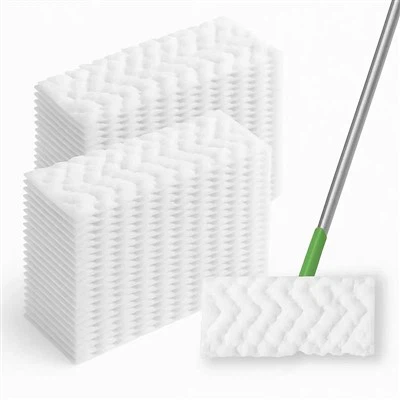
If you’re ready to switch to a disposable mop solution that’s safe for vinyl floors, or if you have questions about which type is right for your space, our team is here to help. We can send sample refills for testing, answer questions about product specs, and work with you to find a bulk order that fits your needs. Don’t let the confusion around disposable mops and vinyl floors hold you back from a simpler, more effective cleaning routine—we’re here to make it easy.
Wet Wipe References
Vinyl Flooring Manufacturers Association. (2022). Care and Maintenance Guidelines for Residential and Commercial Vinyl Flooring.
Journal of Cleaning Science. (2021). Comparative Analysis of Disposable vs. Reusable Cleaning Tools on Hard Surface Floors.
National Floor Care Association. (2023). pH Levels in Cleaning Products and Their Impact on Vinyl Flooring Wear.
Shanghai Zhaotine Smart Home Company Limited
We’re well-known as one of the leading disposable mop refill manufacturers and suppliers in China, specialized in providing high quality customized products. We warmly welcome you to wholesale bulk high quality disposable mop refill made in China here from our factory.
Address: Huanjing town, luhe town, textile industrial zone, Jiangsu province, China
E-mail: doris@zhaotine.com
WebSite: https://www.clean-wow.com/
